
(You must register and have a linked account first)
View Privacy Policy


OR

Show


Forgot your password?

Error message here!

Error message here!

Error message here!

Error message here!

Show Error message here!

Show Error message here!


Lost your password? Please enter your email address. You will receive a link to create a new password.

Error message here!

Back to log-in

Close

For Sale

The following items are listed by for sale by users of the site and dealers. They are in no way endorsed or guaranteed by www.oldswords.com

Add a Classified Item
to

Clicking on the sword will take you through to the relevant classified item or dealer site.
Don't miss out! - Do you want to be kept informed weekly of new aditions? Just join our weekly update list.

You can also receive regular email notifcations when items match your keywords. To recieve them just register or logon at the top right of this page.
Page 53 of 53
  • Nation : -
  • Local Price : $1
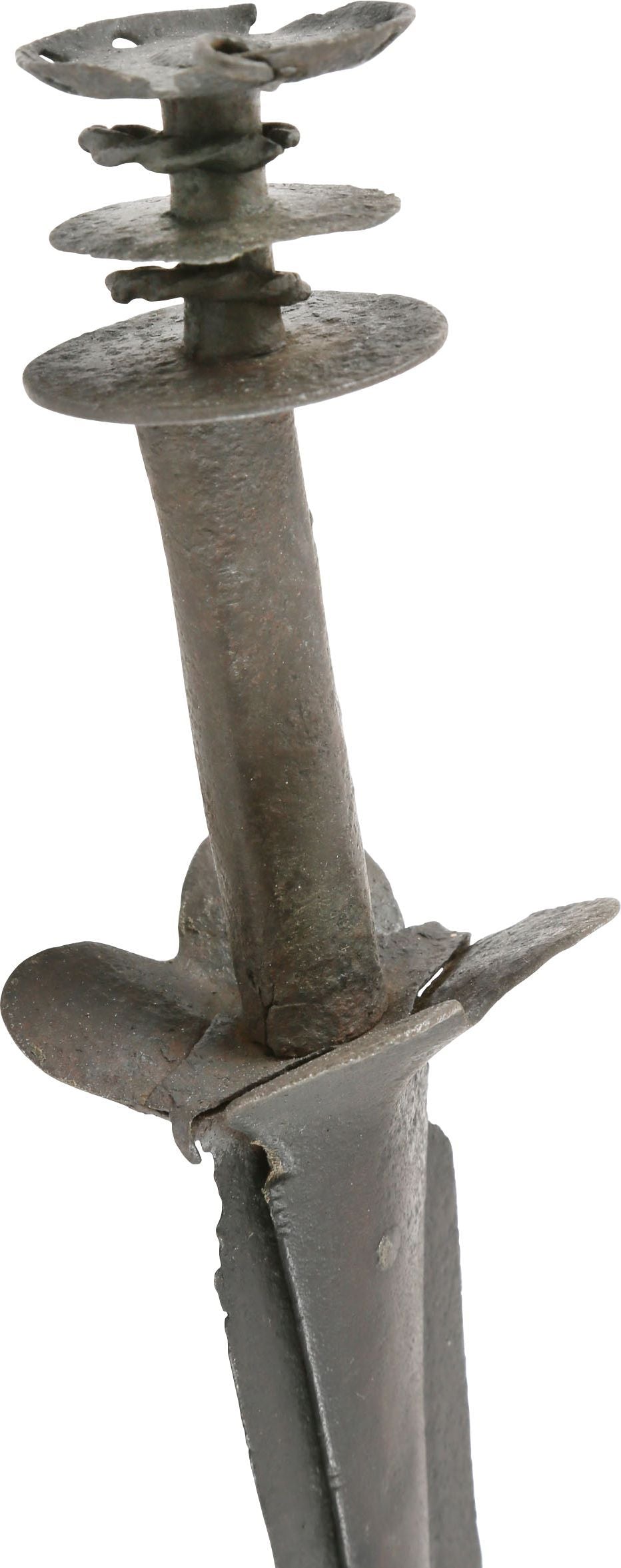
NAYAR TEMPLE SWORD. Home NAYAR TEMPLE SWORD Sold Default Title -
  • Nation : -
  • Local Price : $1
US 1840 PATTERN MUSICIAN'S SWORD. Home US 1840 PATTERN MUSICIAN'S SWORD Sold Default Title -
  • Nation : -
  • Local Price : $1
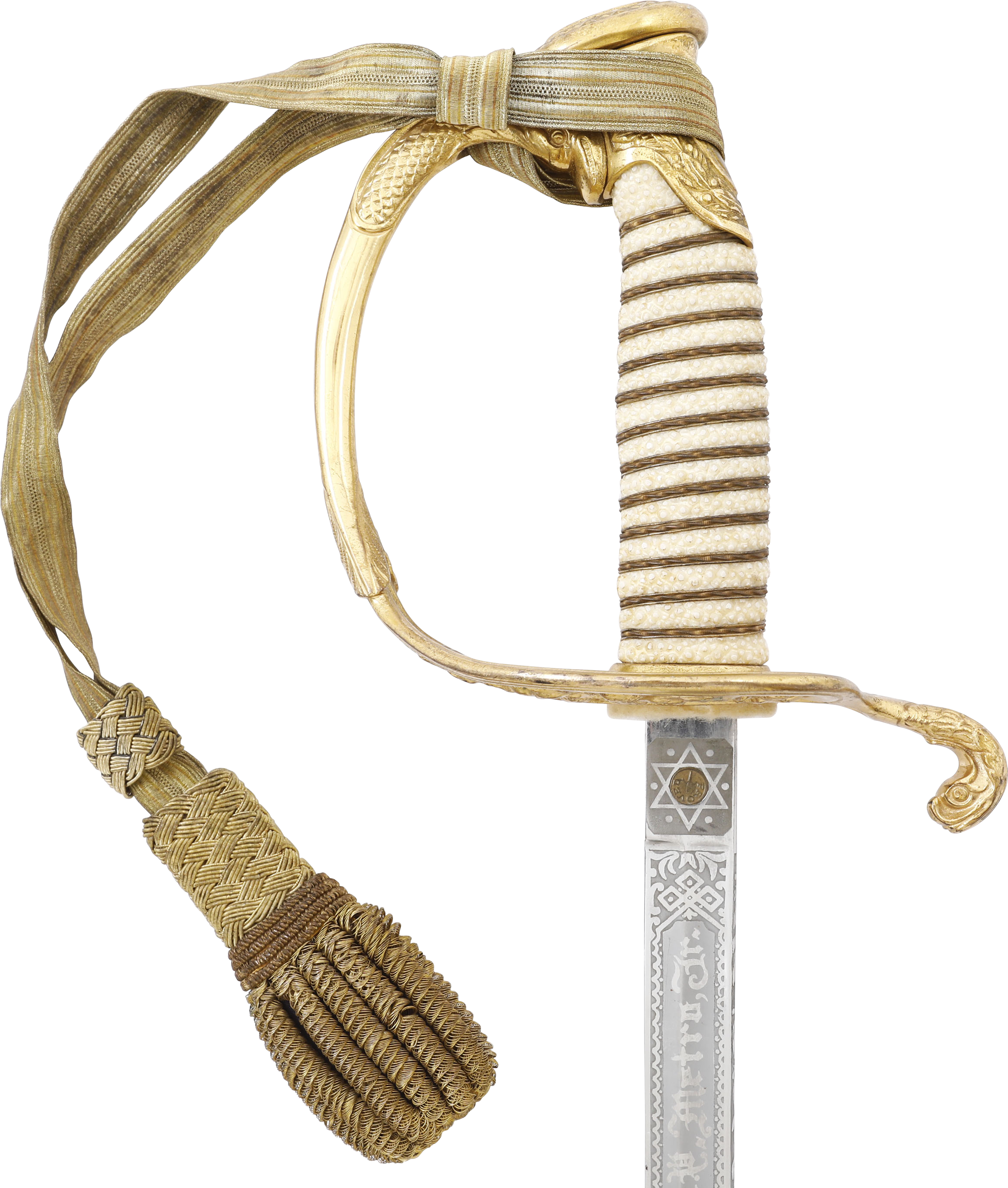
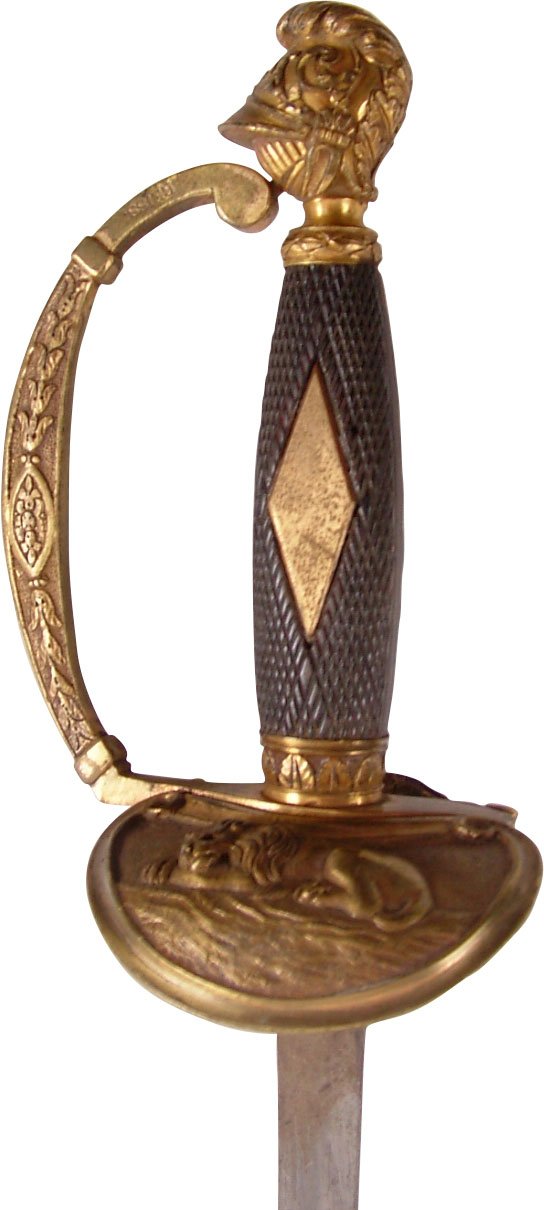
US 1852 PATTERN NAVAL OFFICER’S SWORD. Home US 1852 PATTERN NAVAL OFFICER’S SWORD Sold Default Title -
  • Nation : -
  • Local Price : $1
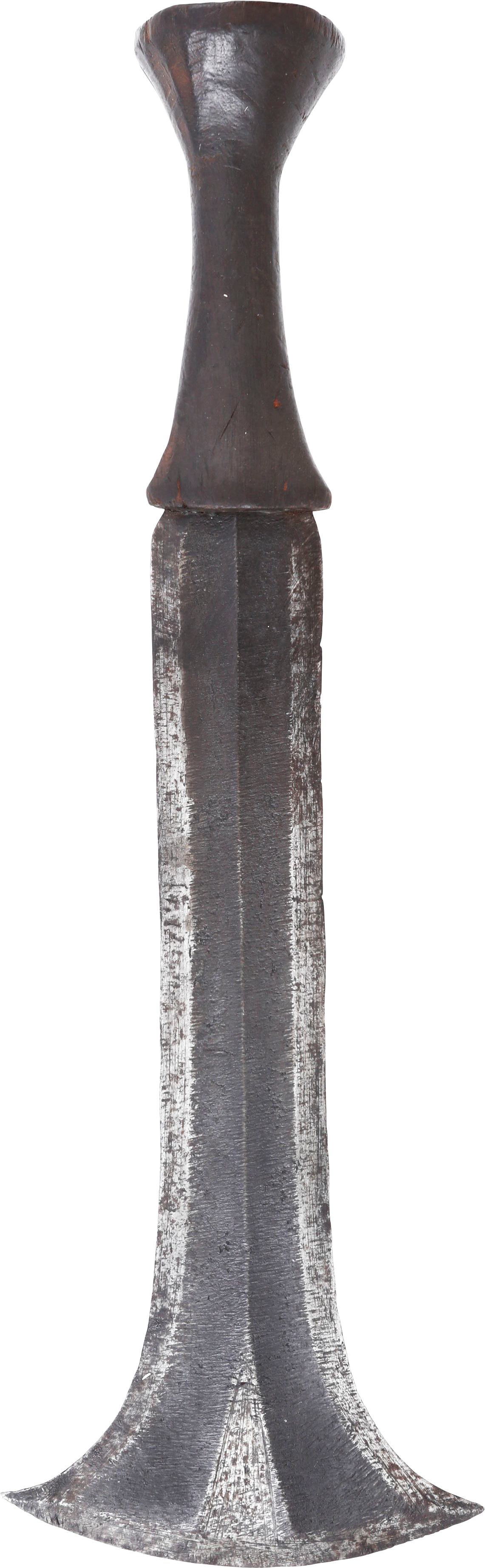
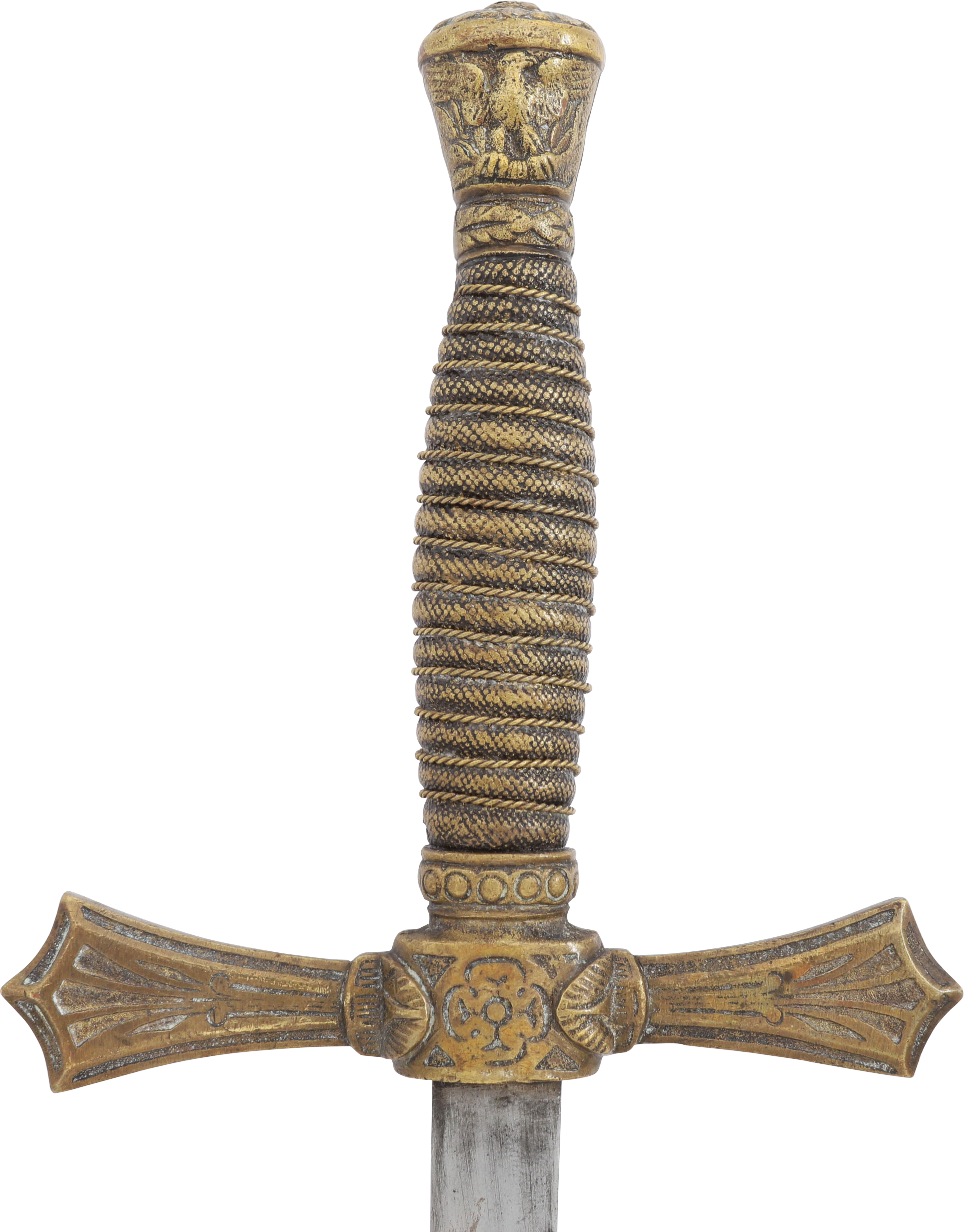
KONDA EXECUTIONER'S SWORD, 19TH CENTURY. Home KONDA EXECUTIONER'S SWORD, 19TH CENTURY Sold Default Title -
  • Nation : -
  • Local Price : $1
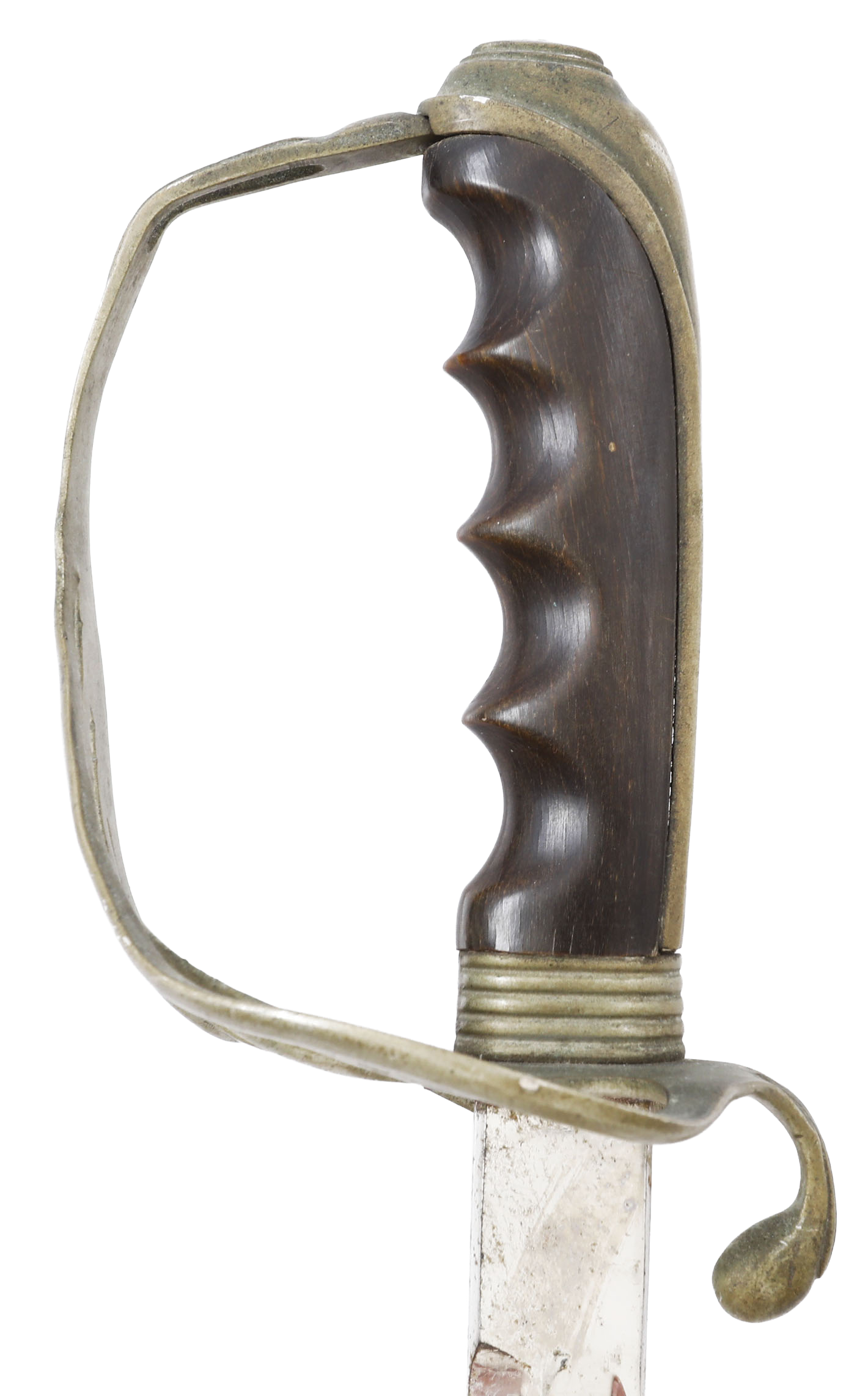
US 1902 PATTERN ARMY OFFICER’S SWORD PRE 1925. Home US 1902 PATTERN ARMY OFFICER’S SWORD PRE 1925 Sold Default Title -
  • Nation : -
  • Local Price : $1
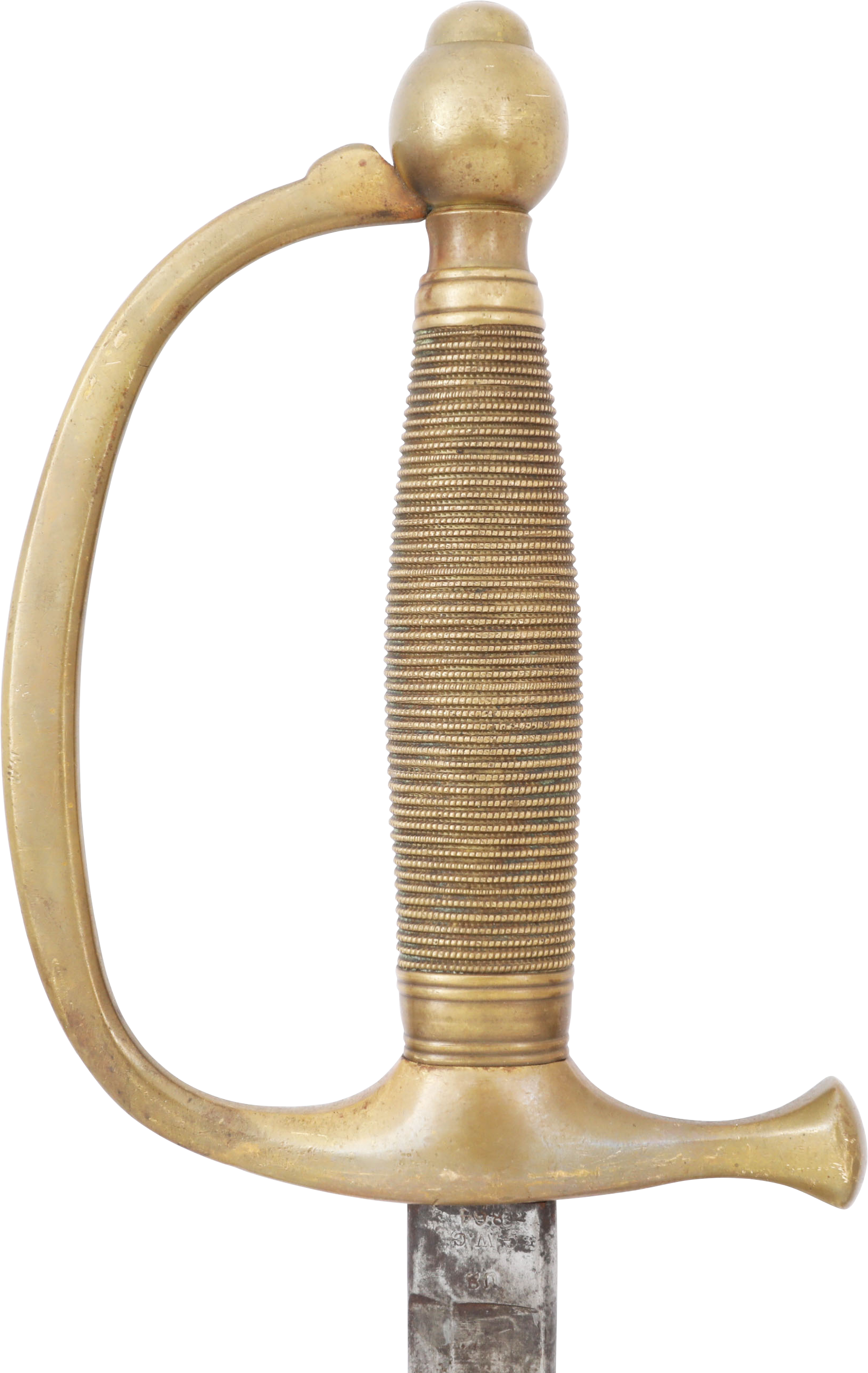
U S MILITIA NCO SWORD C.1840. Home U S MILITIA NCO SWORD C.1840 Default Title -
  • Nation : Swiss
  • Local Price : $1
OFFICER’S SWORD OF THE SWISS GUARD C.1830-40. Home OFFICER’S SWORD OF THE SWISS GUARD C.1830-40 Sold Default Title -
  • Nation : -
  • Local Price : $1
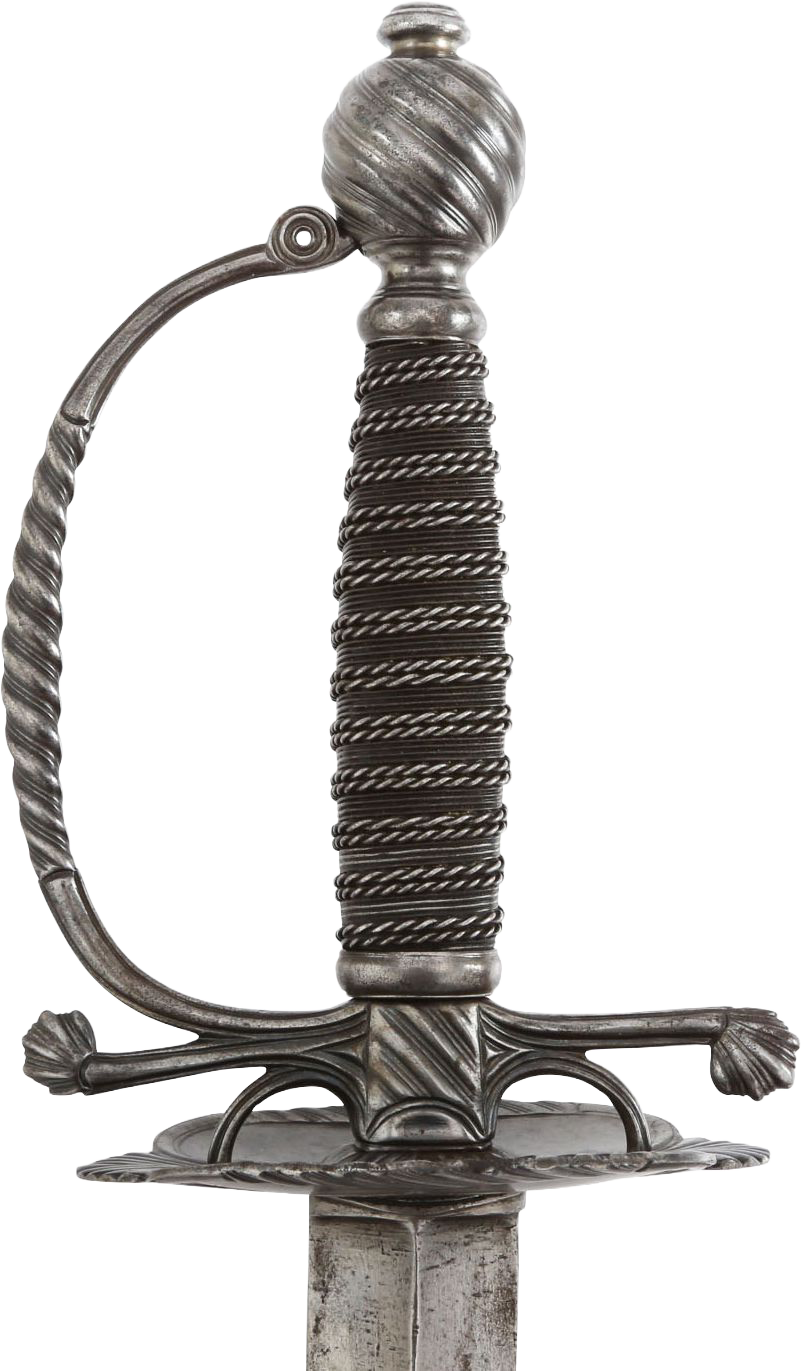
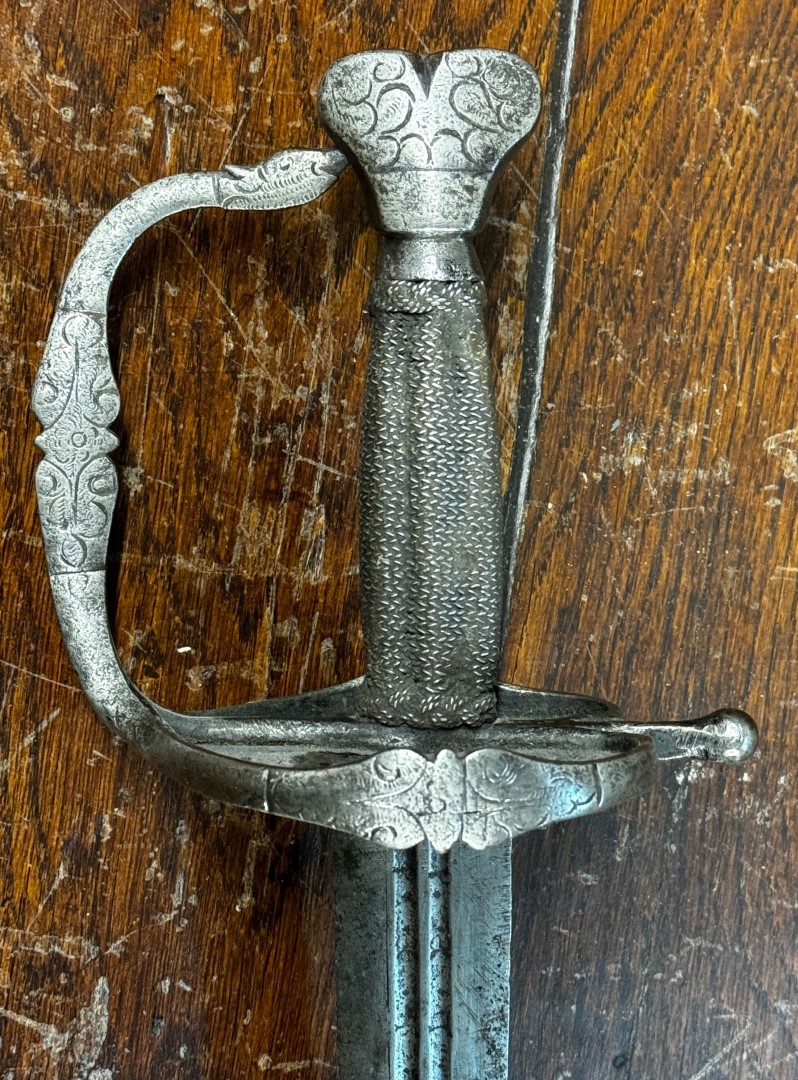
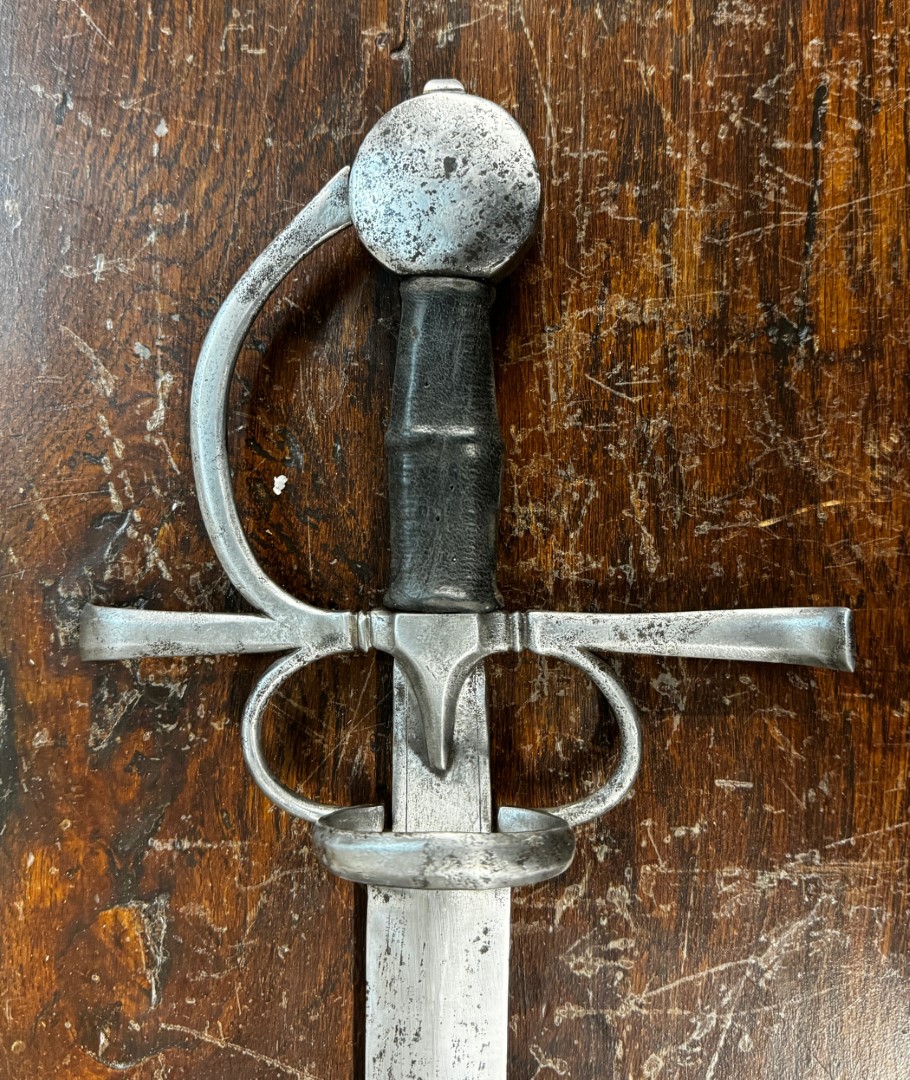
GOOD IRON HILT SMALLSWORD C.1760. Home GOOD IRON HILT SMALLSWORD C.1760 Sold Default Title -
  • Nation : British
  • Local Price : $1
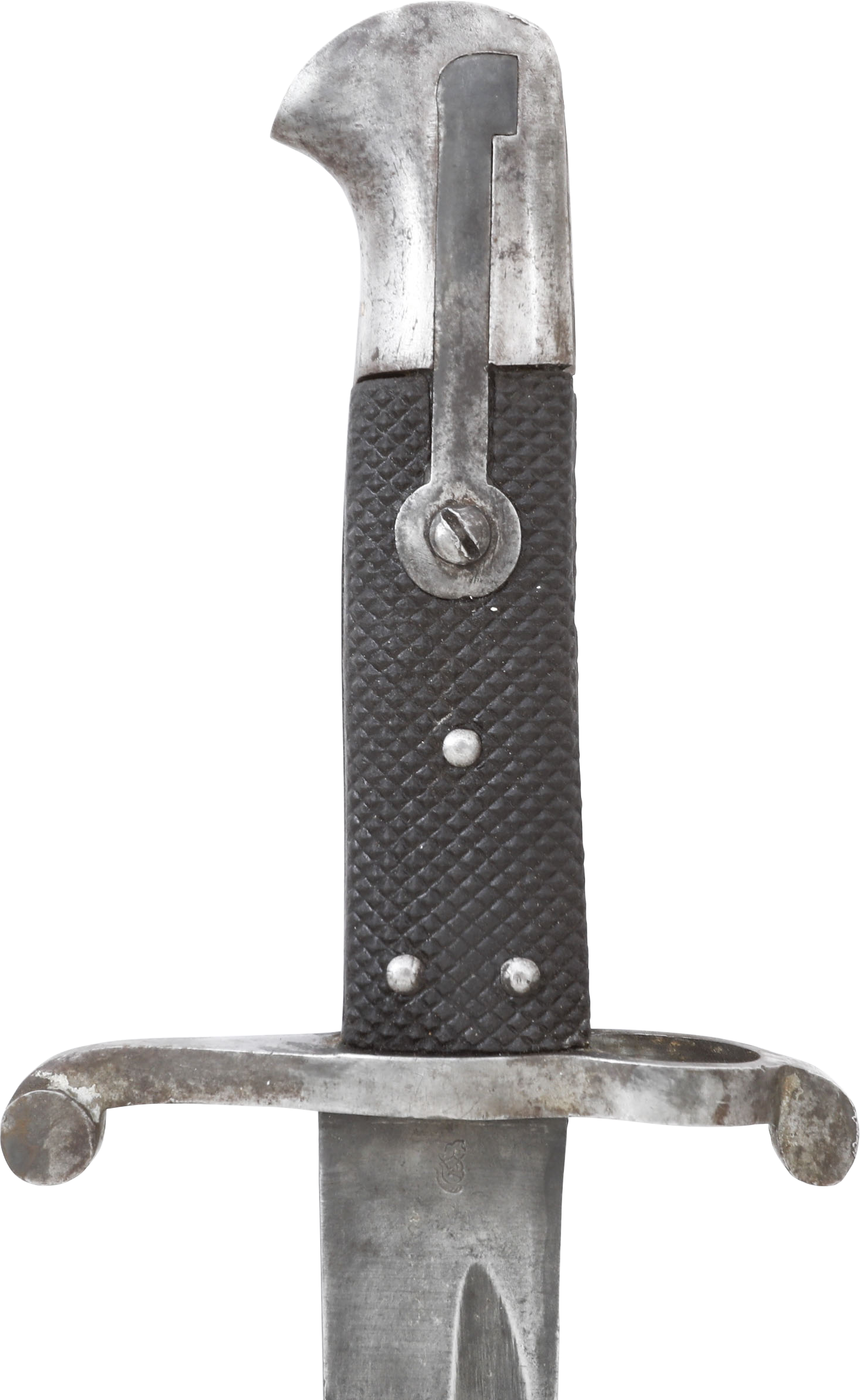
BRITISH M.1856 SWORD BAYONET. Home BRITISH M.1856 SWORD BAYONET Sold Default Title -
  • Nation : -
  • Local Price : $1
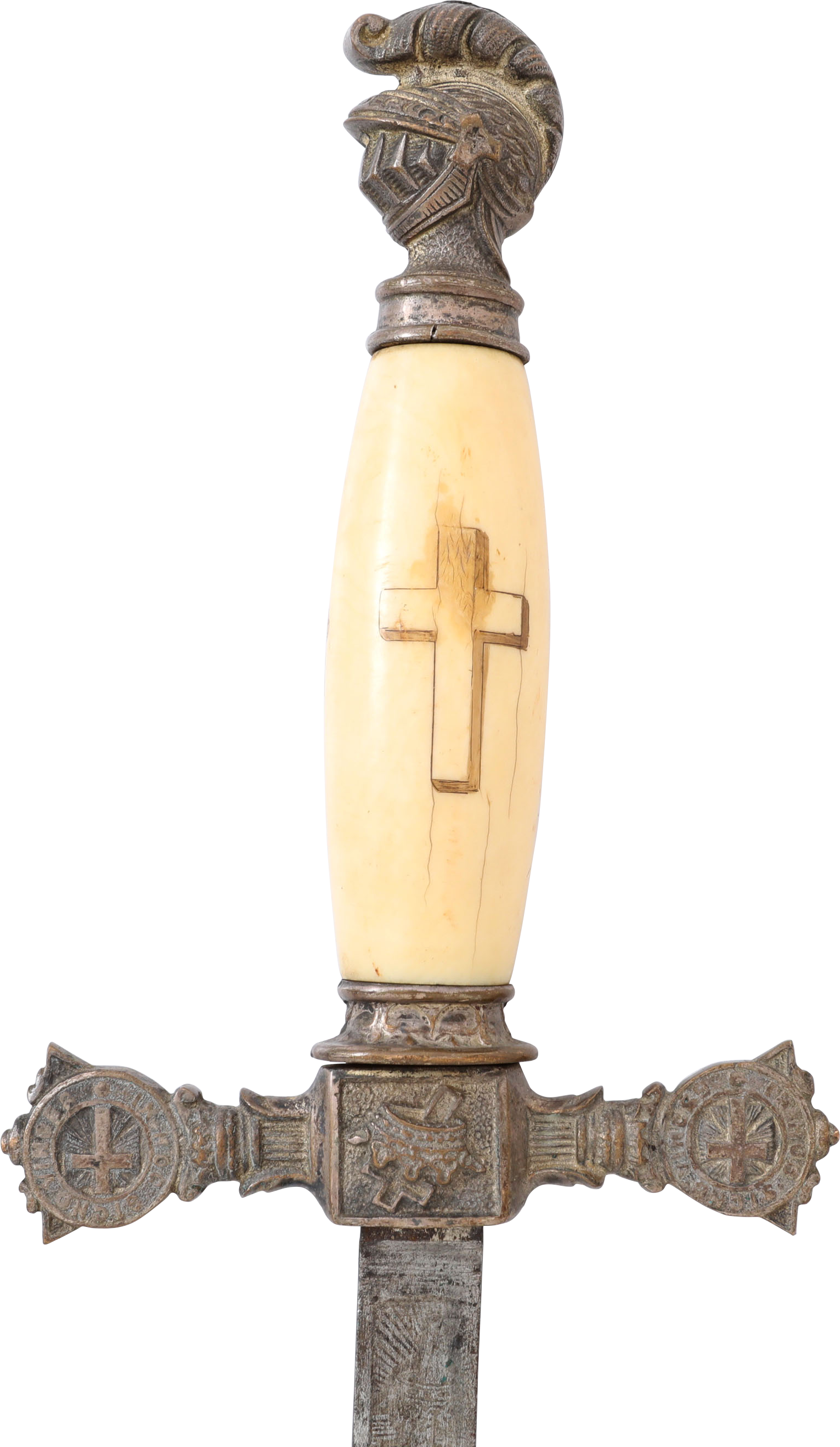
KNIGHTS TEMPLAR SWORD, LATE 19TH CENTURY. Home KNIGHTS TEMPLAR SWORD, LATE 19TH CENTURY Sold Default Title -
  • Nation : French
  • Local Price : $1
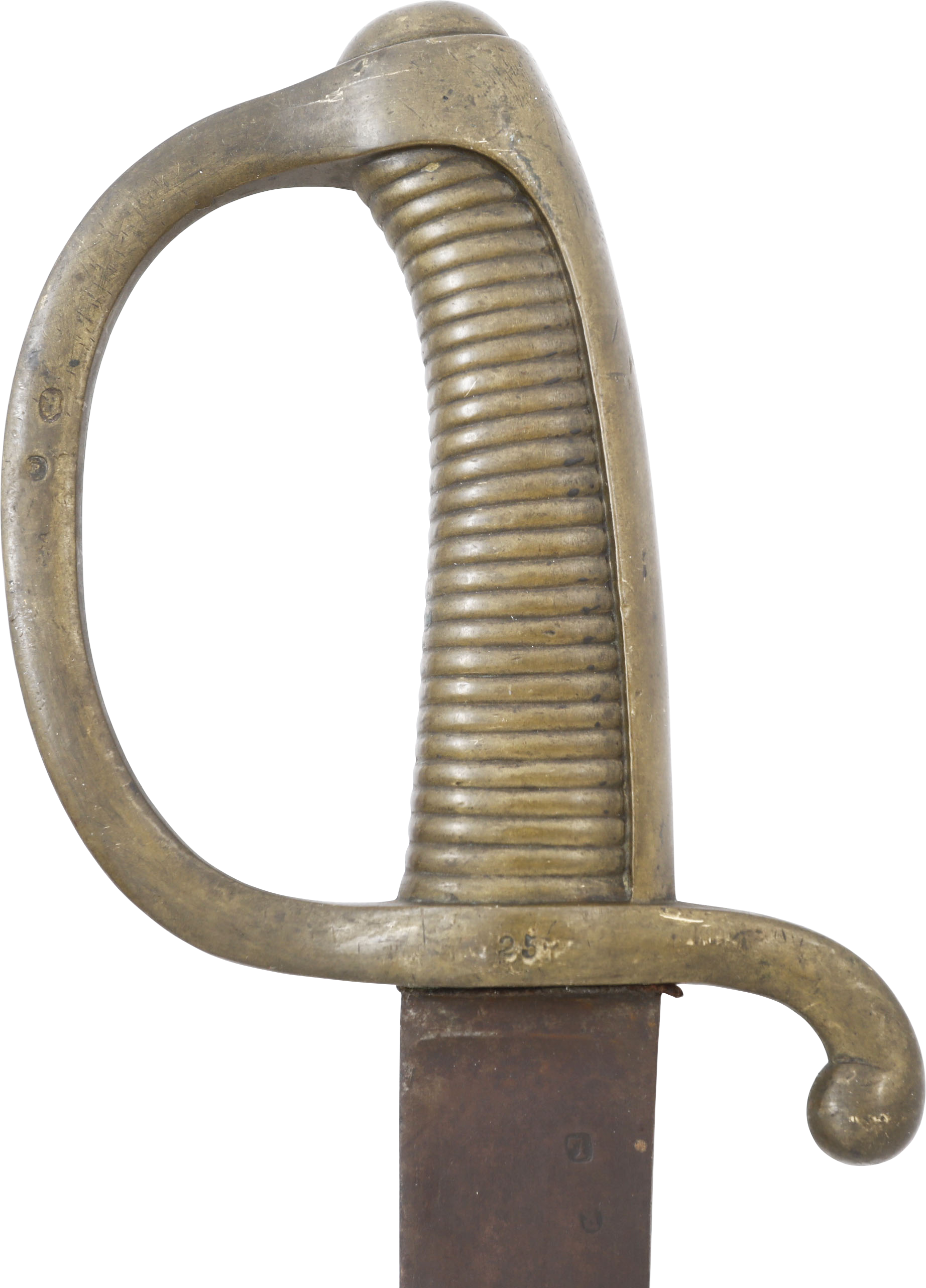
FRENCH NAPOLEONIC INFANTRY SWORD C.1804-14. Home FRENCH NAPOLEONIC INFANTRY SWORD C.1804-14 Sold Default Title -
  • Nation : ?
  • Local Price : Price on request
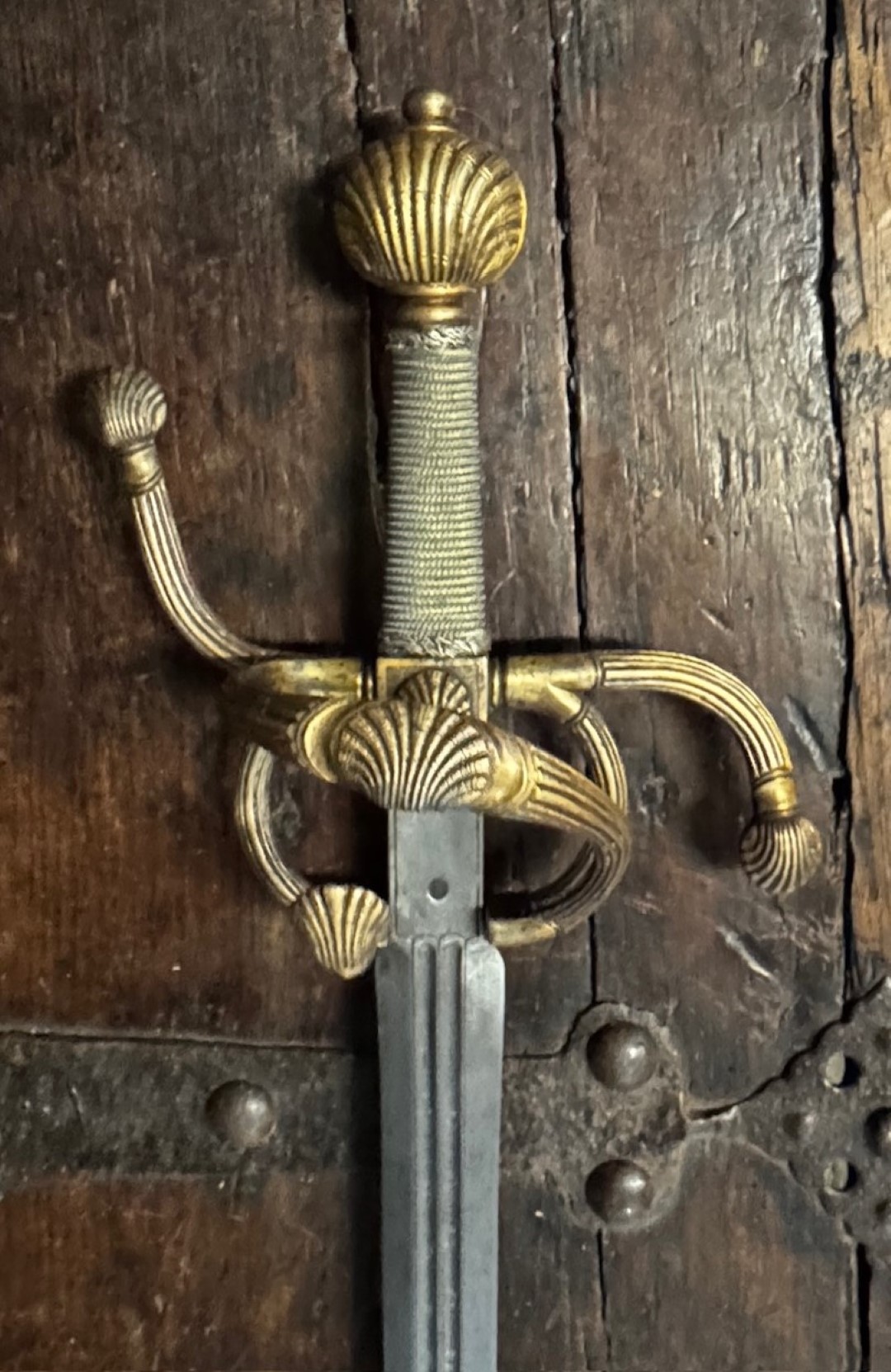
OFFICERS GRADE  GILDED PAPPENHEIM RAPIER, CIRCA 1620-30: . Description: Constructed with a tapering blade of diamond-section to a tip, decorated on a recessed ricasso inside the hilt, symmetrical gilt-iron hilt of faceted bars, comprising a pair of recurved rectangular quillons with knuckle-guard with a central molding and with terminal en suite, quillon block with chevron design, quillon, outer guard joined to the knuckle-guard, upper ring-guards joined by a short molded bar, small lower ring guard, matching inner-guard, and an octagonal pear-shaped pommel, wooden grip with an early wire binding. Approximate length: 44 inches. Provenance: An old European collection. Conclusion: Pappenheimer swords are a stable of sword collectors. This officer’s grade pappenheimer is an excellent example that retained about 80% of its original gild. It’s priced to sell immediately !!!* All my items come with the following: “Free shipping. “10-day review period. “Certificate of Authenticity. “Autographed copy of my book. “ In the event of an international shipment, we will help assign the lowest correct Customs tariff so you pay the least as low as 5% or even nothing. I believe you will be very pleased. Contact Me To Get The Latest Lowest Price Possible From The Owner*
  • Nation : Spanish
  • Local Price : Price on request
MINT CONDITION DECORATED BILBAO SWORD WITH ORIGINAL LINING WITH THE COAT OF ARMS OF PORTUGAL:. 1295) MINT CONDITION DECORATED BILBAO SWORD WITH ORIGINAL LINING WITH THE COAT OF ARMS OF PORTUGAL: The bilbao is a highly effective Spanish slash-and-thrust sword. It was used primarily in the 1700s. Construction: The hilt is etched en suite; it&#acute; constructed of two half-shell guards and a knuckle guard. The etched decoration on both shells amazingly retains its original lining. The pommel on all bilbao swords is designed not to be as big as on other swords with the same size blades or weight. The blade is a flattened hexagonal-shaped double-edged blade tapering to a sharp tip. The coat of arms of Portugal is the main heraldic insignia at the base of the half shell, it was used by the Portuguese Kingdom since the Middle Ages. Conclusion: Why did this sword survive in such a fantastic mint condition? Because it is exceptionally beautiful, and the past owners knew they had something special worth taking extra good care of. This sword will adorn any collection or museum. They just don&#acute;Ã
  • Nation : German
  • Local Price : Price on request
Very Rare German Lansknecht Katzbalger Sword Circa 1540-60:. 323) Very Rare German Lansknecht Katzbalger Sword Circa 1540-60: Beautiful sword for sale. The Katzbalger sword is a rare short close combat sword for the Landsknecht mercenaries in 16th century Germany. It has a thick double blade with a circular point and a highly defensive circular eight guard. This example was found in a city wall. From one of the best private collections in the world. Contact Me To Get The Latest Lowest Price Possible From The Owner*
  • Nation : German
  • Local Price : Price on request
GERMAN BROADSWORD WITH SCALLOPED SHELL GUARD CIRCA 1600:. Description: Long, wide, curving single-edged blade with a long, double-edged point,  fuller at the top running concurrently with the false edge about two-thirds the length of the blade, steel hilt vertically recurved quillons with circular-shaped tips, shell-shaped knuckle guard, shell-shaped inner ring guard, thumb loop; beautiful, circular pommel. Old replaced grip with Turks Heads. Length: 35 inches. Comparable: a near identical example is found in the Royal Collection at the Tower of London. Conclusion: A very elegant broadsword that would make a great addition to any collection. Very well priced for a quick sale!!!*
  • Nation : British
  • Local Price : Price on request
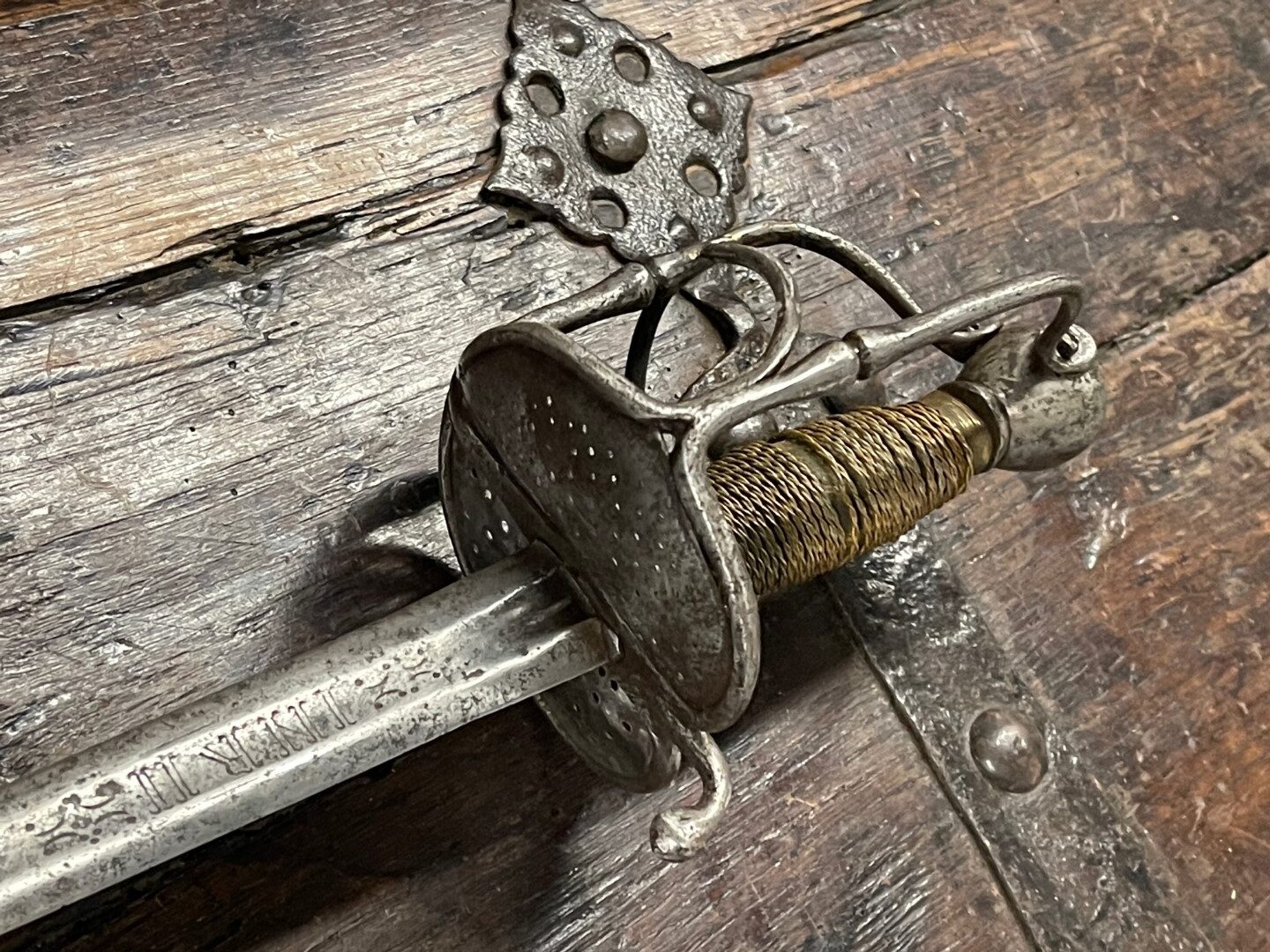
WALLON SWORD CIRCA 1640 WITH ENGRAVED INVENTORY CONTROL NUMBER: . Description: A single wide fullered short blade, with the inscription = z  I.N.N. R. MRA with a floral decoration originating from a circle as pictured below, blade tapering to a sharp point, spherical shaped pommel with an etched armory inventory control number No. I I 7. An inventory control number is a number assigned by the arsenal/armory to keep track of their items. An inventory control number answers questions like: How many do we have? Where is it located in the arsenal, etc.? (See Fig 4A on page 33 in my book). Grip has the original wood and wire, with two ferrules, Two side ring guards with pierced plates ( one replaced during working life), and a  thumb ring.  The condition is good. Length: 36 inches. Conclusion: A great addition to any collection wanting to add an iconic sword for under $2,000.
  • Nation : Dutch
  • Local Price : Price on request
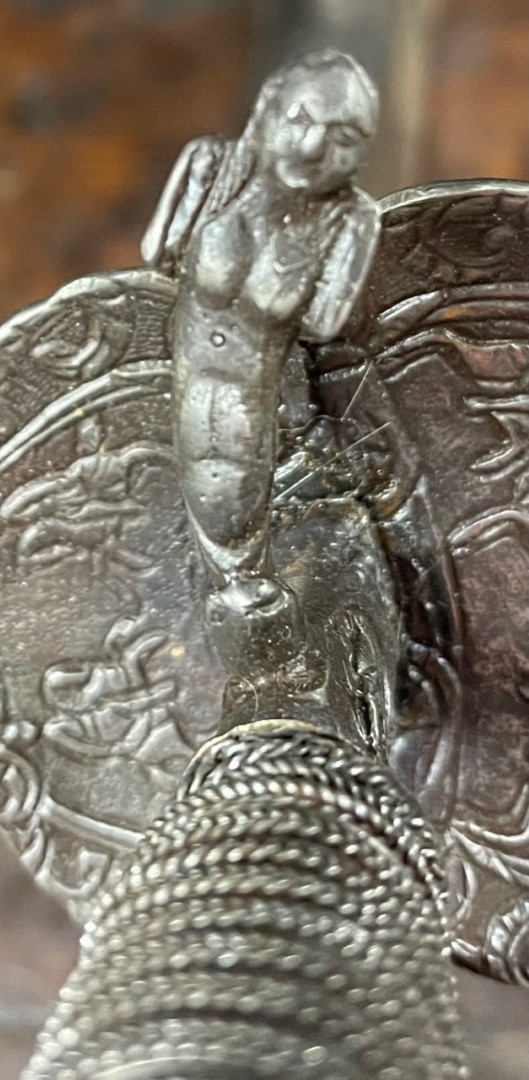
ELEGANT CHISELED AND EMBOSSED DUTCH CAVALRY SWORD CIRCA 1650. Description: Constructed with a broad engraved blade, chiseled hilt depicting mounted cavalry battle scenes, and superb guard finials in the form of figures. Period correct grips with Turk’s heads. Total length: 40 1/2″. Discussion: The shorter sword was the evolution of the longer and heavier rapier of the Renaissance. It was said to have been introduced in the second quarter of the 1600s and evolved over the next 100-plus years. Conclusion: Nothing says chivalry like a sword. In my opinion, chiseling is the most impressive decoration on arms and armor. The problem is swords that are chiseled are very expensive and seldom are found in the collectors market. Even though this sword may be slightly later than the period many collectors collect, it’s still an excellent addition to any collection, and you get a lot of value for your money. Contact Me To Get The Latest Lowest Price Possible From The Owner*
  • Nation : British
  • Local Price : Price on request
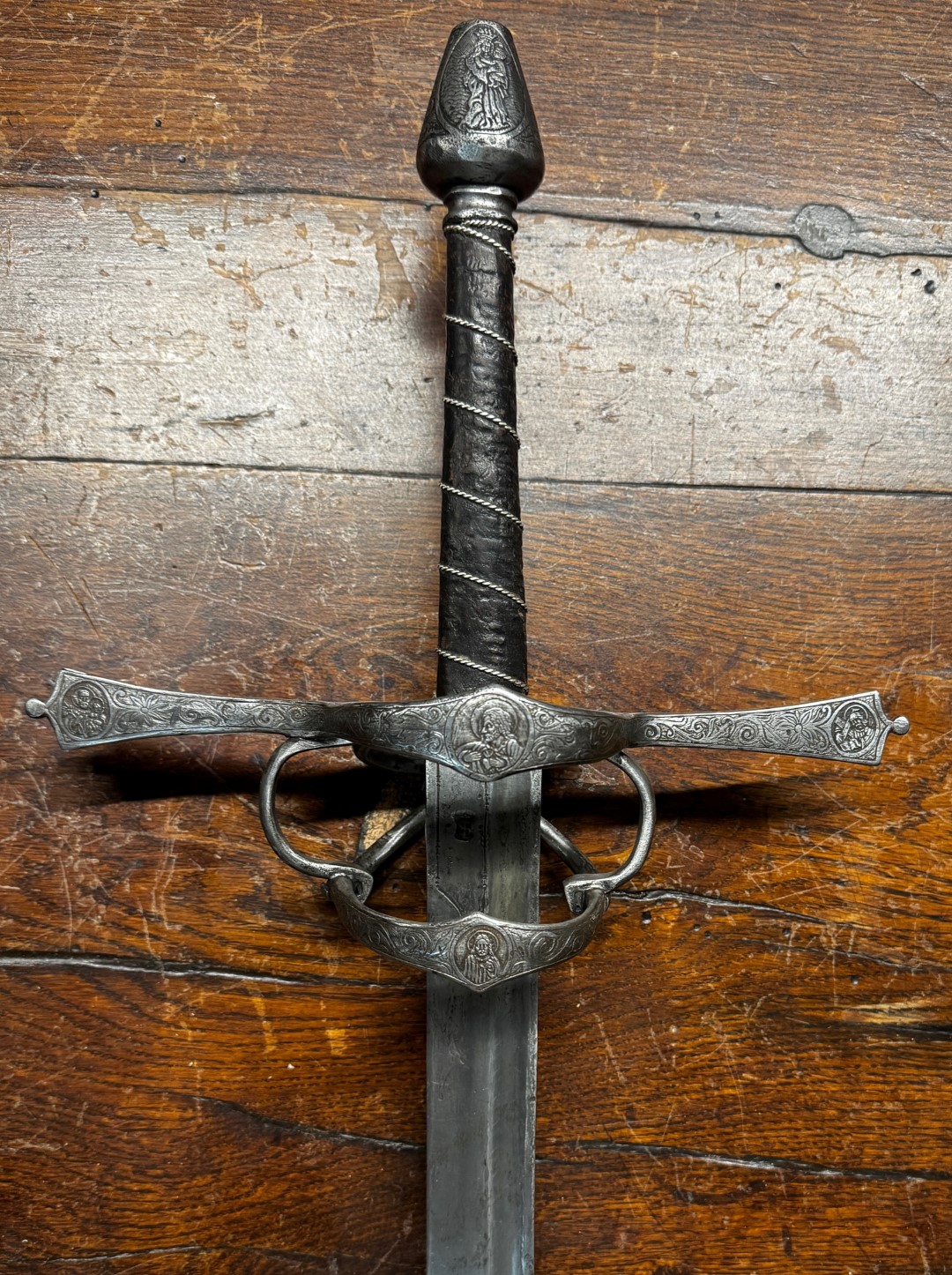
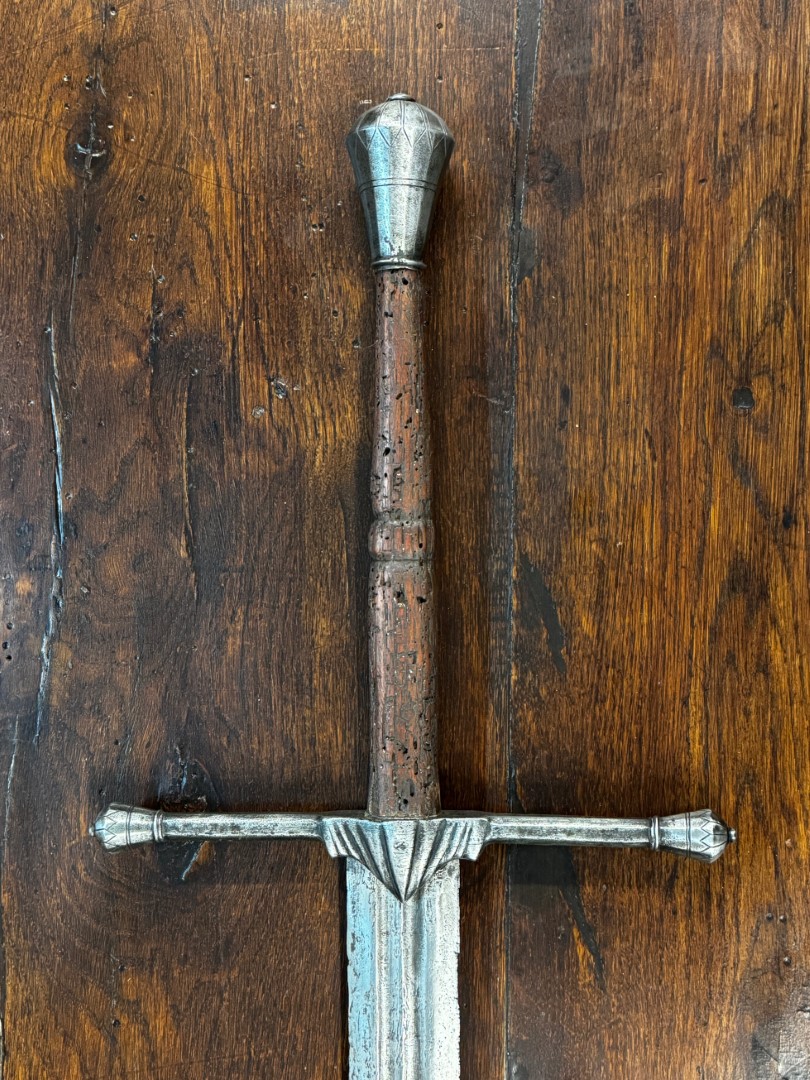
EXCEPTIONAL AND IMPORTANT DECORATED TWO-HAND SWORD CIRCA 1550 MUSEUM QUALITY. Description: Masterfully chiseled hilt.  Featuring the Virgin and Child Jesus on the pommel with St Joseph and numerous apostles, including: St Paul. St Peter, St Andrew, St Mark throughout the hilt. The hilt is constructed with swelling tips ending in circular quillon tips, two quillon rings swelling at the center, a reverse conical pommel,  a thick, straight two-sided blade with a strong taper at the tip, a false edge extending about two-thirds the length of the blade, a deep fuller, original or working-life leather grip, and a makers mark at the rectangular ricasso and a Passau wolf on each side of the blade. Approximate length: 48.35 inches. Conclusion: This war sword masterpiece is in superb, 100% original condition. Collectors love two-hand fighting swords like this one; they are rare¦ big¦ elegant¦. easy to display, and ¦ make a powerful statement. This sword is as beautiful as any processional sword; however, it was conceived as a weapon of war for a noble or person of great wealth. It&#acute;s a great addition to any major collection or museum. The owner priced it to sell quickly. This is a rare opportunity to own an important piece of Medieval/Renaissance military history. ACT NOW- Swords like this seldom are available in the collectors market!!!*
  • Nation : Dutch
  • Local Price : Price on request
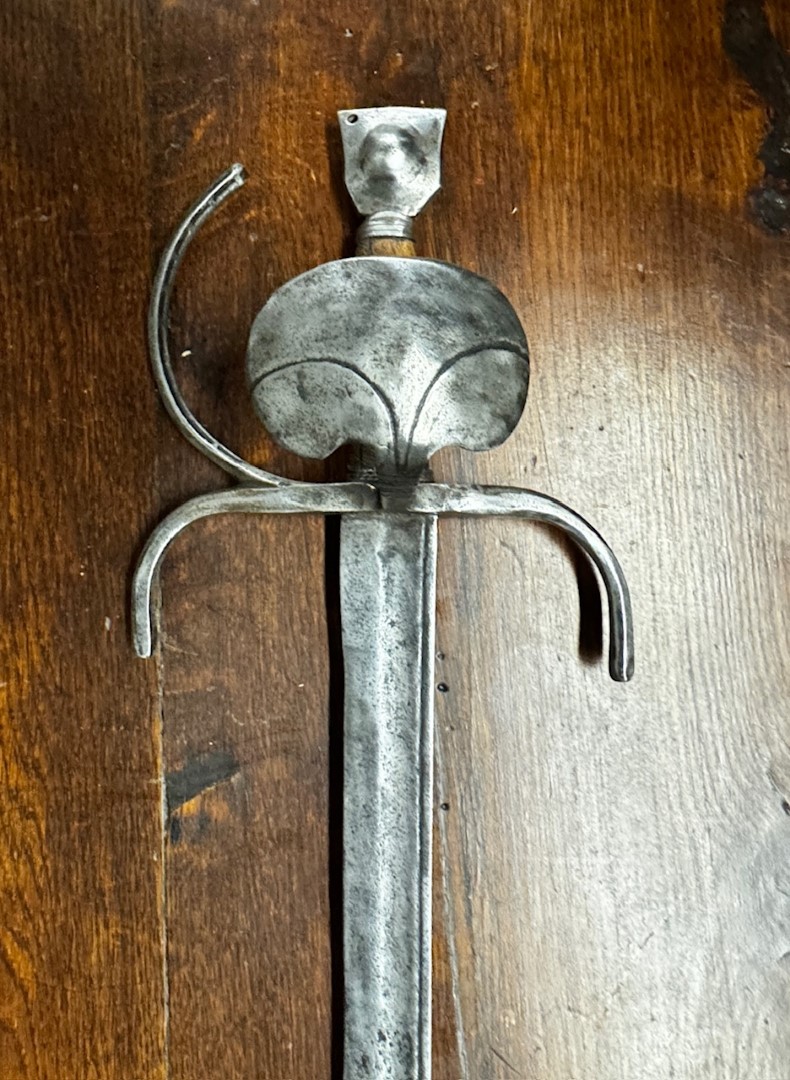
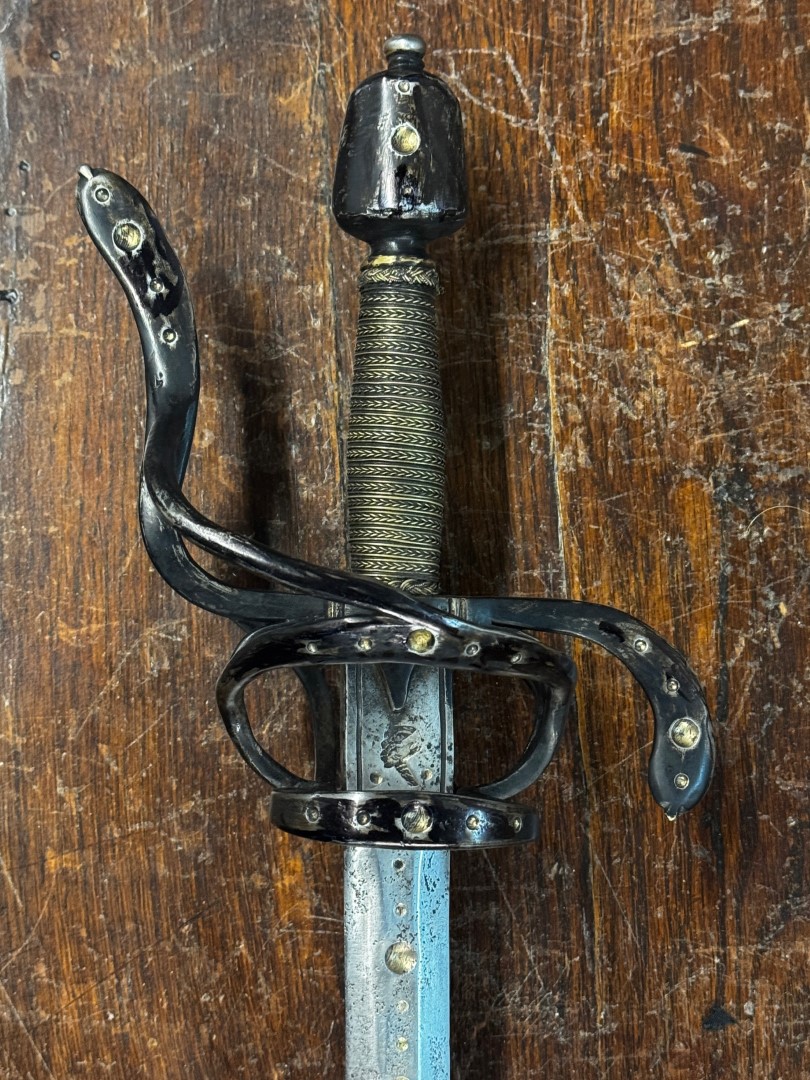
DECORATED OFFICERS GRADE SWEDISH/DUTCH BROADSWORD CIRCA 1620: . Description: Constructed with a decorated etched heart-shaped pommel, the asymmetrical punched guard plates are original, original wood/wire grip with Turk’s heads, a knuckle guard decorated en suite with the pommel but with a dragon head meeting at the pommel, a spherical tip on a short quillon, tapering blade with short thin double fillers with inscriptions as pictured below. Length: 39 inches.  Condition: Very good. Conclusion: This is an impressive sword in its original condition. An officer-grade sword like this decorated, inscribed and in its original condition is getting harder and harder to find in the collectors market. The owner says to sell it, and it’s priced to sell today. ACT-NOW this one should sell quickly!!!*
  • Nation : Italian
  • Local Price : Price on request
RARE VENETIAN CIRCA 1450 TYPE XIII BASTARD SWORD FOR SALE:. Description: Wide slightly tapering blade with triple fuller, center fuller extending slightly longer than two parallel fullers, three inlays on both sides of blade, slightly tapering horizontal guard with large circular quillion ends, tang with three makers or talismanic marks , J pommel with trimmed corners, peen on the apex of the pommel. A unique opportunity to own a rare piece of European military history.  Publication: The Collector&#acute;s Course On Medieval Arms and Armor, page 361 fig 2. Priced to sell today!!!* Contact Me To Get The Latest Lowest Price Possible From The Owner*
  • Nation : British
  • Local Price : Price on request
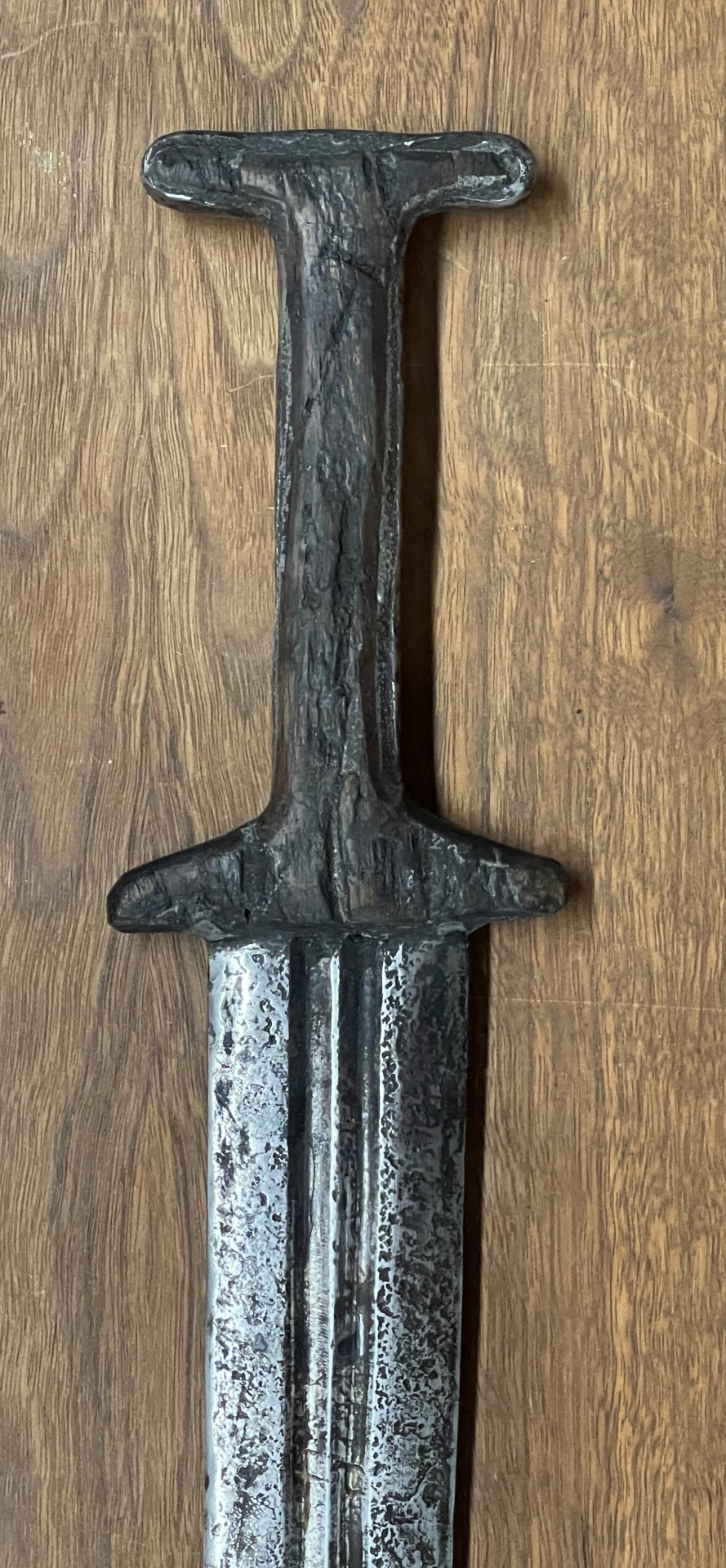
RARE MASSIVE SWISS BASILARD SWORD CIRCA 1450 WITH ORIGINAL GRIPS:. Description: Constructed with a stout flattened lozenge section blade with two short fullers side by side, edges on both sides tapering to a point, and holes for rivets on a metal T-shaped hilt with its original wooden grip. Condition: Very good.  Length: 35 inches. Discussion:  Basilard is a French or Latin term identifying a dagger with a hilt shaped like a capital I (or,a capital T, see page 318 in my book) developed during the 1300s. Basilards can be found in contemporary literature, books, poems, paintings, effigies, brasses, and other period representations. After circa 1350, the basilard became a favorite of civilians and peasants in England. The basilard was probably the most used dagger circa 1350 in Western and Central Europe. The basilard was believed to have originated in South Germany or North Italy in the late 1200s; this appears in many older publications. However, a discovery at the Datini archives in Prato, Italy, dated 1375 by Claude Blair of the Victorian and Albert Museum, indicates the dagger&#acute;s origin is Basel, Switzerland, hence the name Basilard. Basilards varied in length from 12-inch daggers to swords over 36 inches. The masses used the basilard, from peasants to the knightly class. The basilard was part of mainstream Medieval Europe. A few basilards have survived that were made for the megawealthy. Basilard sheaths are rare. Their sheaths consisted of a metal throat, chape, and middle band. Because leather is organic, few leather sheaths have survived. The sheath was worn in various ways: 1) On the right side, hanging from the belt, sword belt, or sword hanger. 2) Hanging in the front from the sword belt. 3) Seldom carried on the lower back. The basilard finally evolved into the Swiss (Holbein) dagger in the late 1490s. Some refer to the original variant as the Swiss basilard (see page 320 in my book). Comparables:  A.) The Royal Collection, England, item #IX 3482. B.) Schweizerisches Landesmuseum , taf.3 #7. Provenance: From the collection of Gottlob Herbert Bidermann Stuttgart/Aach Germany. Herr Bidermann was one of Europe&#acute;s largest collectors of Arms and Armor. He wrote several books on the subject of Medieval and Renaissance Arms and Armor and was appointed court expert on Medieval/ Renaissance Arms and Armor by the German Government (Öffentlich bestellter und vereidigter Sachverständiger für Historische Waffen). Conclusion: Although not the most elegant of Medieval swords certainly one of the rarest and highly prized by collectors. It is priced to sell for under $4K, a lot less than you expect!!!*
  • Nation : Italian
  • Local Price : Price on request
RARE VENETIAN SHELL AND KNUCKLE GUARD BROAD SWORD CIRCA 1620: . 1548) RARE VENETIAN SHELL AND KNUCKLE GUARD BROAD SWORD CIRCA 1620:  Discussion: A rare and elegant example of a unique typology of Venetian broadsword that is highly collectible. Priced to sell quickly at under $3K!!!* Constructed: with a long, slightly curving single-edged blade with a long, double-edged point, the fuller at the top running concurrently with the false edge about two-thirds the length of the blade, steel hilt with downward turned octagonal quillons, a knuckle guard en-suite to the quillons, a shell guard with incised decoration,  beautiful, circular pommel. Original wood grip with Turks Heads, style Z steel pommel (found on some Schiavonas). Length: 37 inches. Conclusion: A rare and elegant example of a unique typology of Venetian broadsword that is highly collectible. Very well-balanced and in very good condition. It’s a great addition to any collection, especially since it is priced to sell quickly at under $3K!!!*
  • Nation : German
  • Local Price : Price on request
RARE TWO-HAND DECORATED GERMAN FIGHTING SWORD  CIRCA 1500:. Description:  Its construction consists of a two-sided blade of flattened hexagonal shape, a Passau wolf, and a cross and orb inlaid on the blade. three deep central fullers originate at the quillon block and extend about a third of the length of the blade. Quillon block in chevron shape with three hash lines, an Oakeshott conical pommel Style T with zig-zag linear decoration, a large original wooden grip of two-stage &156;hock bottle&157; form, an octagonal shaped guard with tips swelling in conical form and decorated en suite with the pommel. Total length: 54.5 inches. Conclusion: This war sword is in good condition; however, the blade was stored in its sheath for several generations, and the blade has suffered slightly. However, it’s almost not noticeable because of the brute power that this sword displays from its size and superb construction. Collectors love two-hand swords like this one; they are big, elegant, easy to display, and make a powerful statement. This sword is as beautiful as any processional sword however was conceived as a weapon of war. It’s a great addition to any collection or museum. The owner priced it to sell quickly. This is a rare opportunity to own a piece of medieval/Renaissance military history. ACT NOW!!!*
  • Nation : Spanish
  • Local Price : Price on request
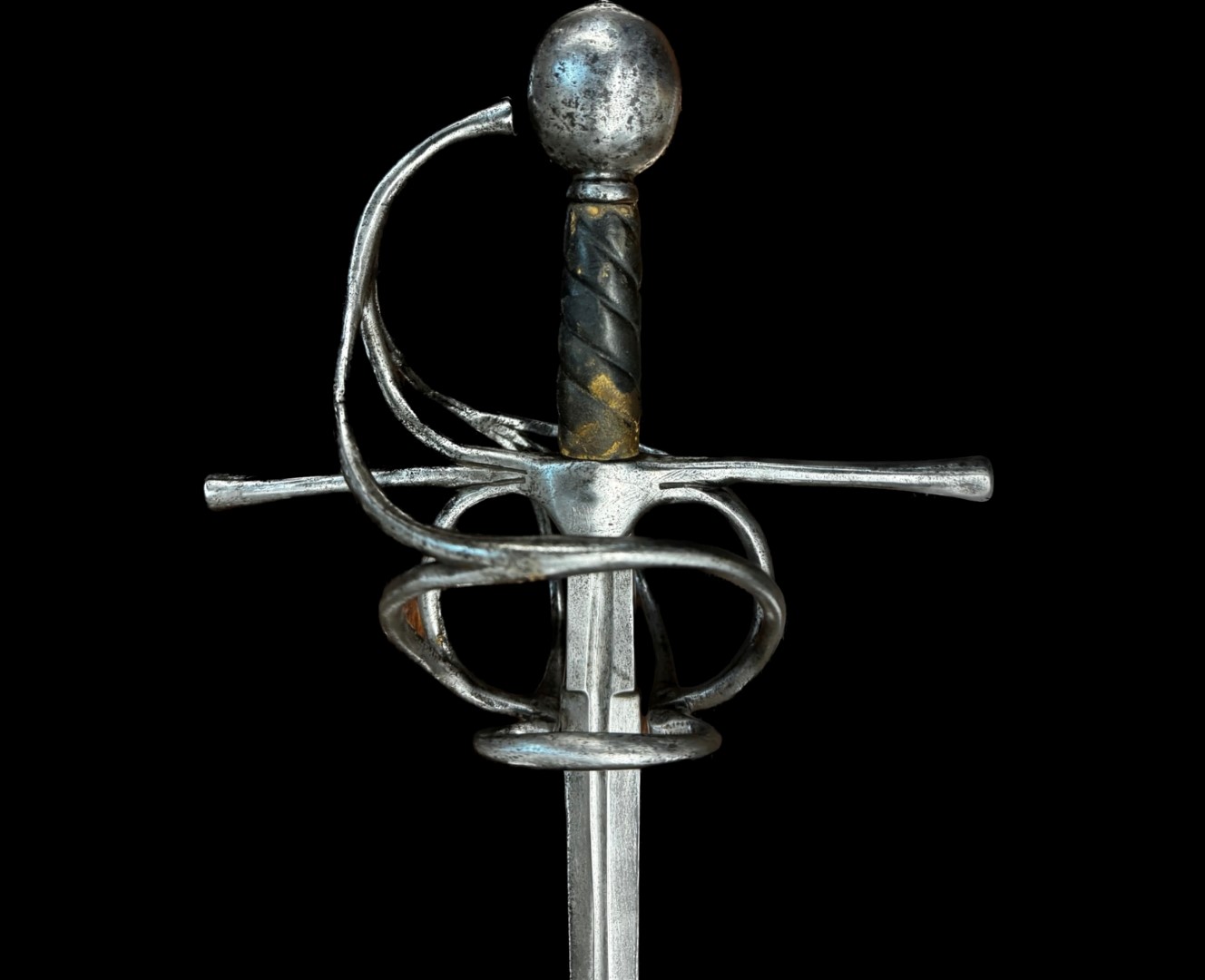
BLACK, GILDED AND DECORATED ITALIAN RAPIER CIRCA 1580 WITH MAKERS MARK:. Description: Under the Norman classification, this is a hilt 57. Constructed with a fuller about a third the length of a strong diamond-section blade that tapers to a very sharp point, a rectangular outlined ricasso stamped with a makers mark in the lower bottom center, a chevron shape at the quillon block, a type 32 pommel with a button at the finial. The hilt with a black finish was probably refreshed and decorated with gilded half-spheres; the fuller decorated en suite with gilded half sphere, replaced grip with Turk&#acute;s heads. Two repairs to the counter guard, rapiers like this were used for fighting, not ballet.   Length: 44.5 inches. Discussion: Military rapiers were longer and usually of stronger blade manufacture than your average civilian rapier. Military rapiers were also exempt from length restrictions. Because fencing is more of a thrusting art, it became commonplace throughout Europe to have as long a blade as possible to obtain an advantage. This extravagance in length reached the point that municipalities passed statutes regarding the allowable lengths of blades. Those in violation had the misfortune of having their rapier blade cropped at the tip at the city gate to comply. One example of these statues is from an English Royal Proclamation on March 17, 1557. The earliest illustration of this sword type is in a 1588 portrait of John Shirley, currently housed in the Metropolitan Museum of Art (#51.194.2). It is also illustrated in a portrait of Luccio Foppa circa 1585 by Giovani Antonio Figino.  In a day and age lacking appropriate policing, the private citizen was forced to protect himself from society&#acute; criminal dregs. The weapon of choice was the rapier from the middle of the 16th to the end of the 17th century. The rapier is a simple but highly effective sword against the non-armored. The rapier was primarily a thrusting weapon that could inflict serious injury to an adversary&#acute; vital organs with minimal effort. It was also an exceptional slashing and cutting weapon; however, the slash was not as lethal as the thrust. The slash was used more as a feint to set up a finishing thrust. The slash was also a dire warning to a would-be assailant of the horrors to quickly follow if he chose not to acquiesce. The rapier is almost undeniably of Spanish origin and is probably Spain&#acute;s most significant contribution to the Renaissance arms race. A highly expensive, ornate rapier was the equivalent of a person in our day and age making a fashion or opulence statement by wearing very expensive jewelry, such as a Rolex or Audemars Piguet watch.  The French adopted the phrase &#acute;espee rapiere&#acute; by 1475, which later was shortened to simply &#acute;rapiere. The English in 1505 spelled it &#acute;rappyer. The Giles Duwes English/ French dictionary of 1532/3 adopted the rapiers definition as &#acute;”Spannyshe sworde”. By 1550, the term rapier had been adopted to describe a slender, sharply pointed sword designed for thrusting, cutting, and slashing attacks. The rapier now consisted of a hilt protected by a handguard. Comparables: Similar examples of type 57’s can be found in: “ The Musee de l Armee in Paris (Cat no. 1379). “ The Wallace Collection (Cat no. 621). Provenance: From a private collector in Austria who seldom, if ever, sells his best !!!* Conclusion: This is an elegant sword with a fighting past. I like the decoration and the condition. This rapier is very reasonably priced at under $4K. This is a rare opportunity. Act now so that you won&#acute;t be disappointed!!!* All my items come with the following: “Free shipping. “10-day review period. “Certificate of Authenticity. “ Free autographed copy of my book if you do not have one. “ In the event of an international shipment, we will help assign the lowest correct Customs tariff so you pay the least as low as 5% or even nothing. I believe you will be very pleased.
  • Nation : British
  • Local Price : Price on request
EXCEPTIONALY RARE NORMAN TYPE 41 SWORD WITH ORIGINAL GRIP CIRCA 1560: . Description: Constructed with a tapering blade with a medial ridge, wheel-shaped pommel with square finial, what appears to be an original or working life leather grip, expanding at the ends rectangular guard with curvatures at the tip and facing in opposite directions, quillon block in a chevron shape with two gutters on each side,  knuckle guard extending to the pommel, two finger guards and a ring guard. Condition very good, perhaps slightly over cleaned. Dimensions: total length 41 inches, blade 35 inches. Comparables: -Metropolitan Museum of Art, accession # 14.25.1169 (pl 7). -The State Hermitage Museum St. Petersburg, Z.O. # 1950. – An exceptionally ornate example signed by Damianus de nerve is preserved in The Waffensammlung in Vienna Inv. #A586. Conclusion: For the collector who wants the rare of the rare, here it is. This sword has a very elegant design. It’s the only one of this typology I have had in 35 years. ACT NOW, or you could be very disappointed. I have no idea if I will ever have another. I believe you will be very¦.very¦. pleased. All my items come with the following: “Free shipping. “10-day review period. “Certificate of Authenticity. “ Free autographed copy of my book if you do not have one.
  • Nation : Spanish
  • Local Price : Price on request
A FINE MASSIVE GERMAN MILITARY RAPIER, CIRCA 1600. Description: An example of this typology of a sword can be found in the painting of Christian the IV of Denmark in 1603 before receiving the Order of the Garter. Another is a painting by Juan Pantoja de la Cruz of Diego Villamayor dated 1605. Under the Norman classification, this is a hilt 58.  Constructed with a strong diamond-section tapering blade to a very sharp point, a short fuller originating at its rectangular ricasso, a chevron shape at the quillon block,  an expanding tubular tip at the quillons and end of the knuckle guard where it meets the type 14 spherical pommel. Original twisting wood grip with original leather covering ( slightly worn).  Length:48.50 inches. Condition: very good. Discussion: Military rapiers were longer and usually of stronger blade manufacture than your average civilian rapier. Military rapiers were also exempt from length restrictions. Because fencing is more of a thrusting art, it became commonplace throughout Europe to have as long a blade as possible to obtain an advantage. This extravagance in length reached the point that municipalities passed statutes regarding the allowable lengths of blades. Those in violation had the misfortune of having their rapier blade cropped at the tip at the city gate to comply. One example of these statues is from an English Royal Proclamation on March 17, 1557. The earliest illustration of this sword type is in a 1588 portrait of John Shirley, currently housed in the Metropolitan Museum of Art (#51.194.2). It is also illustrated in a portrait of Luccio Foppa circa 1585 by Giovani Antonio Figino.  In a day and age lacking appropriate policing, the private citizen was forced to protect himself from society&#acute; criminal dregs. The weapon of choice was the rapier from the middle of the 16th to the end of the 17th century. The rapier is a simple but highly effective sword against the non-armored. The rapier was primarily a thrusting weapon that could inflict serious injury to an adversary&#acute; vital organs with minimal effort. It was also an exceptional slashing and cutting weapon; however, the slash was not as lethal as the thrust. The slash was used more as a feint to set up a finishing thrust. The slash was also a dire warning to a would-be assailant of the horrors to quickly follow if he chose not to acquiesce. The rapier is almost undeniably of Spanish origin and is probably Spain&#acute;s most significant contribution to the Renaissance arms race. A highly expensive, ornate rapier was the equivalent of a person in our day and age making a fashion or opulence statement by wearing very expensive jewelry, such as a Rolex or Audemars Piguet watch. The French adopted the phrase &#acute;espee rapiere&#acute; by 1475, which later was shortened to simply &#acute;rapiere. The English in 1505 spelled it &#acute;rappyer. The Giles Duwes English/ French dictionary of 1532/3 adopted the rapiers definition as &#acute;Spannyshe sworde. By 1550, the term rapier had been adopted to describe a slender, sharply pointed sword designed for thrusting, cutting, and slashing attacks. The rapier now consisted of a hilt protected by a handguard. Comparables: include from such notable institutions as: “ A Odescalchi Collection  inv # 223. “ Wallace Collection cat # A589. “ Zurich Landsmuseum  Inv. No. AG2476 Provenance: From a private world-class rapier collector who seldom, if ever, sells his best. Conclusion: Military-class rapiers like this one seldom make it to the collectors’ market. This is a fighting sword, not a rapier worn by some fat, wealthy person who had bodyguards and never personally engaged in mortal combat in his life. This is a rare opportunity. ACT-NOW! I promise you won&#acute;t be disappointed with the rapier or the price under $3,5K.!!!* All my items come with the following: “Free shipping. “10-day review period. “Certificate of Authenticity. “ Free autographed copy of my book if you do not have one. “ In the event of an international shipment, we will help assign the lowest correct Customs tariff so you pay the least as low as 5% or even nothing. I believe you will be very pleased. ACT-NOW!!!*
  • Nation : Spanish
  • Local Price : Price on request
HIGHLY DECORATED RARE ITALIAN GILDED RAPIER CIRCA 1600:  . Description: This sword, under the Norman classification system, is a type 27 with a shell-shaped gilded pommel, the tips of the quillons, quillon block (front and back), and the center of the side guard decorated en-suite. Incised lines en-suite on the hilt and with punch decoration. It is constructed with a wide, slow tapering blade with two narrow inscribed fullers. On the first fuller side 1: “M. O. H. C. N. I. S.”  with talismanic symbols. On the second fuller side 1: ” D. I. C. R.”  with talismanic symbols. On the first fuller side 2: “R. G. J. I.” with talismanic symbols. On the second fuller side 2: T. A. V.”  with talismanic symbols. A maker mark on the rectangular ricasso with an insisted edge. Wooden handle covered with silver-thread wire grip with Moor’s heads. Approximate dimensions: total length 45 inches, blade 38.5. Discussion: In a day and age lacking appropriate policing, the private citizen was forced to protect himself from society&#acute; criminal dregs. From the middle of the 16th to the end of the 17th century, the weapon of choice was the rapier. The rapier is a simple but highly effective sword against the non-armored. The rapier was primarily a thrusting weapon that could inflict serious injury to an adversary&#acute; vital organs with minimal effort. It was also an exceptional slashing and cutting weapon; however, the slash was not as lethal as the thrust. The slash was used more as a feint to set up a finishing thrust. The slash was also a dire warning to a would-be assailant of the horrors to follow if he chose not to acquiesce quickly. The rapier is almost undeniably of Spanish origin and is probably Spain&#acute; most significant contribution to the Renaissance arms race. A highly expensive, ornate rapier was the equivalent of a person in our day and age making a fashion or opulence statement by wearing very expensive jewelry, such as a Rolex or Audemars Piguet watch. Because fencing is more of a thrusting art, it became commonplace throughout Europe to have as long a blade as possible to obtain an advantage. This extravagance in length reached the point that municipalities passed statutes regarding the allowable lengths of blades. Those in violation had the misfortune of having their rapier&#acute; blades cropped at the tip at the city gate to comply. One example of these statues is from an English Royal Proclamation on March 17, 1557- 1558. Provenance: From a private Italian collection. Conclusion: An exceptionally elegant and rare example of a Renaissance rapier that must have been owned by a very wealthy person or Nobel. It has survived in exceptional condition. It may have been reguilded/refreshed during the Victorian period using original Renaissance gilding, which has been illegal due to gas poisoning for many years.   In my opinion this would make a great addition to any collection or museum. Act now. This sword is priced to sell today. They seldom come this nice. ACT-NOW!!!*
Page 53 of 53

The following items match your search but are currently listed on Ebay. We take no responsibility for any aspect of the listings or their accuracy.


Sorry, there is not any matching items.